|
◆ The Money is There
$1.1 billion in one night — and where it's not going.
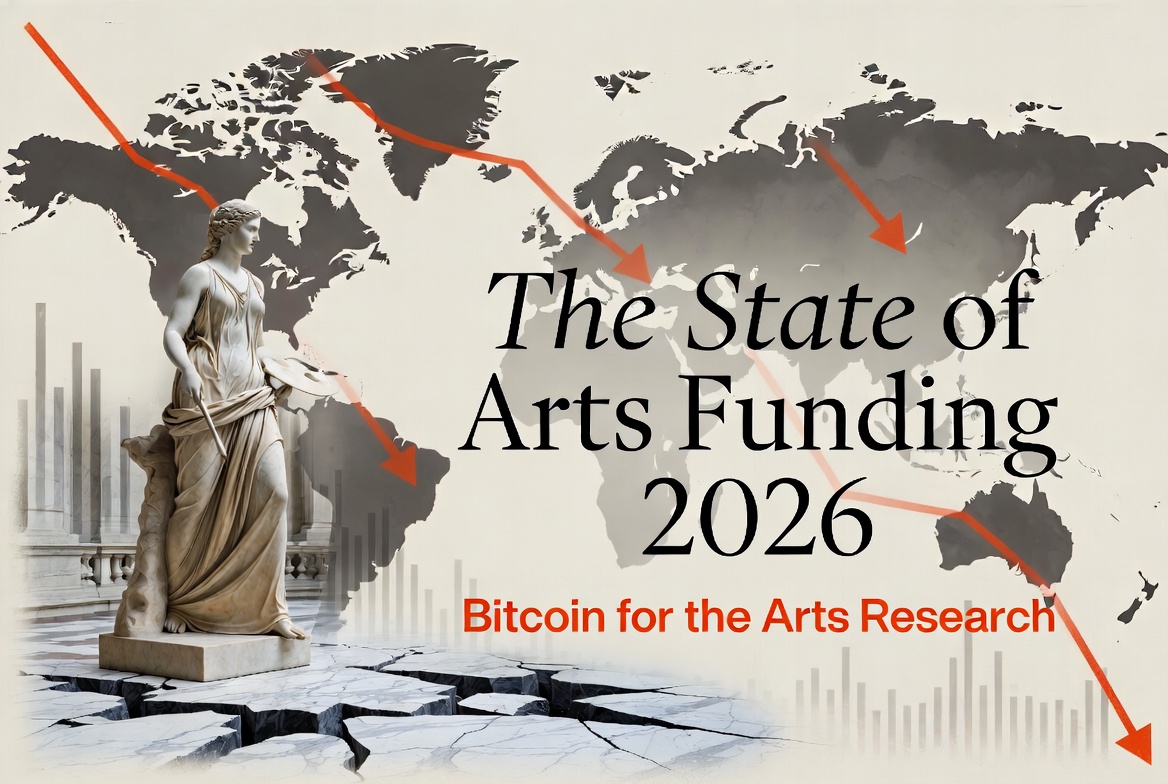
On the evening of May 18, Christie's sold $1.1 billion of art in New York in a single night — the S.I. Newhouse collection plus the 20th Century Evening Sale, back to back. Eight artist records were set. Pollock's Number 7A, 1948 closed at $181.2 million, nearly tripling his previous auction record. Brancusi's Danaïde sold for $107.6 million. Rothko's No. 15 closed at $98.4 million. Total Spring Marquee Week: $1.45 billion, the highest May auction week in Christie's history.
And earlier this spring, Bank of America released its 2026 U.S. Art Market Report. The headline numbers are real: total U.S. auction sales in 2025 reached $3.17 billion, up 23% year-over-year — the market's first annual growth since 2022. Second-half 2025 surged 54%.
Read these reports carefully and a different picture emerges. Bank of America writes — in their own words —
"Particular vulnerabilities apparent in the market for Young Contemporary artists and the small- to mid-tier galleries that support them."
Translation: the money flowing through the auction market is concentrated almost entirely at the historical / blue-chip tier. The market is healthy — for dead artists and their estates. For working artists, especially Young Contemporary, the report finds the opposite. The number of lots sold across U.S. auctions was actually down 20% year-over-year. Consignors are risk-averse. Guarantees on New York Evening Sales hit a decade-high 78% of value — meaning the market needs insurance before it will even bring work to market.
Bitcoin for the Arts exists for the exact gap Bank of America's report describes. Working artists — the ones who haven't yet had a Christie's evening sale, who are decades away from being collected — are the ones BFTA is built to fund.
The optimistic read: the capital we need to fund 50 working artists this year — $91,000 floor, $182,000 stretch — is a rounding error inside a single Christie's evening sale. The money exists. What it needs is a bridge to working artists, on rails that don't depend on dealers, foundations, or galleries deciding who deserves to be supported.
That bridge is sound money. Patrons who understand Bitcoin understand that putting a piece of their balance sheet to work for the next generation of artists is a culturally durable bet in a way fiat-denominated donations never could be. BFTA is the channel built for that capital. The art collectors at Christie's last week and the readers of this newsletter inhabit overlapping rooms — we just need to introduce them.
And on the research side: we love what Bank of America did with their U.S. Art Market Report. That's the format we want our own research to grow into — clean, sourced, rigorous, with the institutional polish that earns it citations. Our research portal is already live at bitcoinforthearts.org/research; the next year of work is making each report stronger.
|